Get Found on Google Maps for Free
Get Found on Google Maps for Free Get Found on Google Maps for Free So you’re eager to get your […]

Get Found on Google Maps for Free Get Found on Google Maps for Free So you’re eager to get your […]

As a small business owner, you wear many hats – from managing operations to building relationships with your customers. But
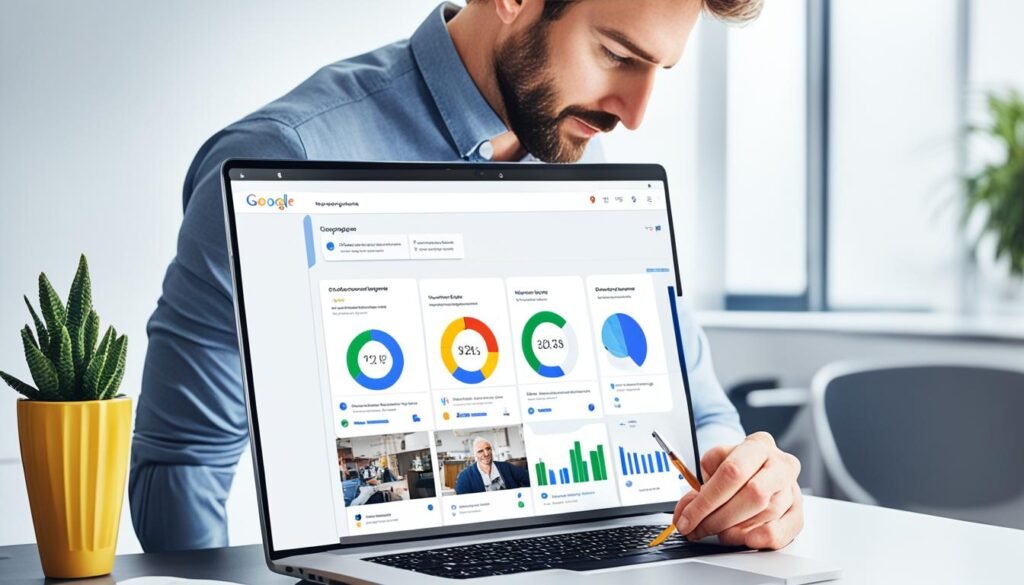
The text discusses the choice businesses face between Search Engine Optimization (SEO) and Pay-Per-Click (PPC) advertising for their marketing strategies. SEO involves improving a website to rank higher in search engine results and gathering organic traffic. PPC is a paid advertising model that brings immediate visibility for a brand on search engines and social media platforms. The choice between SEO and PPC depends on the business’s objectives, budget, timeline, and industry dynamics. However, many businesses find success combining both strategies. This approach enables a business to dominate paid and organic search results for double exposure. A successful digital marketing strategy comprises informed decision-making, regular evaluation, and adjustment as necessary.
Microsoft Monetize, a renowned advertising platform, recently integrated Artificial Intelligence (AI) to enhance ad customization, audience targeting, and business growth. This development is aimed at improving the precision of ad distribution and overcoming ad-fatigue by serving ads crafted according to users’ preferences. The upgrade includes an automated campaign optimization feature that uses AI to assess ad performance and a predictive analytics tool that delivers insights into market trends. Also, AI-enhanced ad formats are introduced to maximize customer engagement. This AI upgrade is expected to significantly revolutionize the digital marketing landscape.
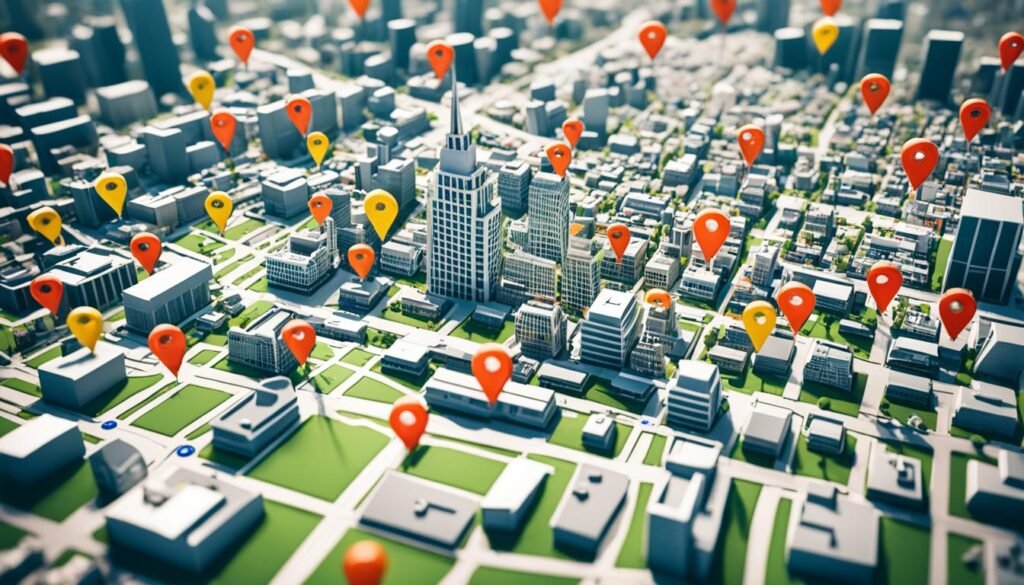
A recent study has revealed that 90% of B2B buyers click on citations when researching potential business partnerships. Google’s AI is used to rank businesses in search results, with effective use of citations playing a pivotal role in enhancing visibility. These citations, which are mentions or references of a business online, serve as a seal of credibility for buyers. In the B2B landscape, where purchasing decisions carry significant risks and long-term effects, comprehensive research is crucial, making citations a valuable resource. The study underscores the importance for brands to seek and encourage quality citations for growth and success in the digital marketing sphere.

This article advises on the successful creation of Google Ads that align with a company’s fundamental business objectives. It details the importance of moving beyond just focusing on Return on Ad Spend (ROAS) to achieve a more comprehensive understanding of a business’s performance. The recommended strategies include defining explicit business objectives, targeting specific audiences, monitoring competitor tactics, crafting engaging copy, and dynamic ad optimization. Exploring a variety of Google’s ad formats is also encouraged. A greater alignment between the Ads and the business objectives can potentially result in substantial business growth.
Artificial Intelligence (AI) is increasingly important in search engine functions, with product content making up 70% of all citations. The shift shows a need for businesses to adapt their marketing and SEO strategies, focusing more on product content. It’s now crucial for brands to understand how AI scans and indexes content to stay visible. AI’s capabilities in forecasting trends and creating initial content drafts can assist businesses in creating robust product content. Embracing AI and integrating it into marketing strategies can boost business visibility and improve search engine result page (SERP) rankings. However, quality, relevance, and value remain paramount in delivering product content. The role of AI in search signals a major shift in search engine optimization, necessitating a focus on high-quality, valuable product content.

The text discusses the importance of Generative AI in enhancing brand visibility and outlines strategies for securing brand mentions through it. Generative AI, which produces new content through machine learning, covers tools for copywriting, music composing, painting and other creative applications. Brands are encouraged to collaborate with AI companies, sponsor AI-centered events, invest in AI technology for their own content, use influence marketing strategies, and incorporate AI solutions in their products or services. In doing so, brands can stay at the forefront of innovative technology and make themselves an integral part of the AI conversation.

A data clean room is a secure digital environment allowing businesses to analyse marketing data without breaching privacy laws. It’s growing in importance due to the phasing out of third-party cookies by major tech firms, prompting a shift in digital marketing dynamics. Data clean rooms protect user privacy, permit data integration from different sources, and enhance audience understanding. They provide a sustainable solution for data-driven marketing in a cookieless world, promoting user privacy and personalising marketing strategies. Understanding and adopting such concepts is critical for the continued success in the digital marketing field.

Search marketing and branding are essential components of a successful business, increasingly influencing each other in today’s digital era. Search marketing enhances business visibility on search engine results, while branding creates a distinct business image. Their synergy boosts visibility, brand recognition, consumer trust, and credibility, and ensures a consistent user experience. It also facilitates customer engagement and drives better ROI. Rather than operating as standalone strategies, blending search marketing and branding yields maximum results, allowing businesses to flourish amidst digital competition.
