AI Lead Nurturing for Local Businesses: Implementation Guide & Proven Tools That Work

In the rapidly evolving landscape of digital marketing, local businesses face unique challenges in nurturing leads effectively. AI lead nurturing offers innovative solutions that can transform how these businesses engage with potential customers. This comprehensive guide will explore the implementation of AI lead nurturing strategies, focusing on proven tools that can enhance local business growth. Readers will learn about the significance of AI in lead generation, the best practices for utilizing AI chatbots, and how AI-powered lead scoring can improve qualification processes. By addressing common pain points, such as inefficient lead management and lack of personalization, this article aims to provide actionable insights for local businesses looking to thrive in a competitive market.
The following sections will cover the definition and importance of AI lead nurturing, practical strategies for implementation, and methods to measure success. Each section will delve into specific tools and techniques that can be employed to maximize the effectiveness of lead nurturing efforts.
What is AI Lead Nurturing and Why Does It Matter for Local Businesses?
AI lead nurturing refers to the use of artificial intelligence technologies to automate and enhance the process of engaging potential customers throughout their buying journey. By leveraging AI, local businesses can deliver personalized experiences that resonate with their target audience, ultimately leading to higher conversion rates. The significance of AI in lead nurturing lies in its ability to analyze vast amounts of data, identify patterns, and predict customer behavior, allowing businesses to tailor their marketing efforts effectively.
The benefits of AI lead nurturing for local businesses include improved customer engagement, increased efficiency in lead management, and enhanced decision-making capabilities. By automating repetitive tasks and providing insights into customer preferences, AI enables businesses to focus on building meaningful relationships with their leads. This approach not only saves time but also fosters a more personalized experience that can significantly impact customer loyalty and retention.
How Does AI Transform Local Lead Generation Through Personalization and Automation?
AI enhances local lead generation by enabling businesses to deliver personalized content and experiences to potential customers. Through data analysis, AI can identify individual preferences and behaviors, allowing businesses to tailor their messaging accordingly. For instance, AI algorithms can segment leads based on their interactions with a brand, ensuring that each lead receives relevant information that aligns with their interests.
Automation is another critical aspect of AI in lead generation. By automating tasks such as email follow-ups, chat interactions, and social media engagement, businesses can maintain consistent communication with leads without overwhelming their teams. This efficiency not only improves response times but also ensures that leads receive timely information, increasing the likelihood of conversion.
How to Implement AI Chatbots for Effective Local Lead Capture?

Implementing AI chatbots can significantly enhance local lead capture efforts by providing instant responses to customer inquiries and guiding them through the sales funnel. To effectively implement AI chatbots, businesses should first identify their specific goals, such as increasing lead capture rates or improving customer service. Once the objectives are clear, businesses can select the appropriate chatbot platform that aligns with their needs.
Best practices for implementing AI chatbots include designing user-friendly conversational flows, integrating the chatbot with existing systems, and continuously monitoring performance. By creating engaging and informative interactions, businesses can ensure that leads feel valued and understood, ultimately leading to higher conversion rates.
Which AI Chatbot Tools Are Best Suited for Small and Medium Local Businesses?
Several AI chatbot tools are particularly well-suited for small and medium local businesses. These tools offer features that cater to the unique needs of local markets, such as:
- ManyChat: A user-friendly platform that allows businesses to create chatbots for Facebook Messenger and SMS, enabling direct communication with leads.
- Tidio: This tool combines live chat and chatbot functionalities, providing businesses with the flexibility to engage leads in real-time while automating responses to common inquiries.
- Chatfuel: Ideal for businesses looking to create Facebook Messenger bots, Chatfuel offers a no-code solution that allows for easy customization and integration with various marketing tools.
By selecting the right chatbot tool, local businesses can enhance their lead capture efforts and improve customer engagement.
How to Craft Conversational Flows That Engage Local Customers?
Creating effective conversational flows is essential for engaging local customers through AI chatbots. Key elements of engaging flows include:
- Personalization: Tailoring conversations based on user data and preferences to create a more relevant experience.
- Clear Call-to-Action: Guiding users towards specific actions, such as signing up for a newsletter or scheduling a consultation.
- Feedback Mechanisms: Incorporating options for users to provide feedback, allowing businesses to refine their chatbot interactions continuously.
By focusing on these elements, businesses can create conversational flows that resonate with local customers and drive higher engagement rates.
How Can AI-Powered Lead Scoring Improve Lead Qualification for Local Businesses?
AI-powered lead scoring enhances lead qualification by analyzing various data points to determine the likelihood of a lead converting into a customer. This process involves assigning scores to leads based on their interactions with a business, such as website visits, email opens, and social media engagement. By utilizing AI algorithms, businesses can prioritize leads that are more likely to convert, allowing for more efficient resource allocation.
The benefits of AI in lead scoring include improved accuracy in identifying high-quality leads, reduced time spent on unqualified prospects, and enhanced sales team productivity. By focusing on leads with higher scores, businesses can increase their chances of closing deals and driving revenue growth.
What Are the Key Criteria and Data Sources for Building AI Lead Scoring Models?
When building AI lead scoring models, businesses should consider several key criteria and data sources, including:
- Demographic Information: Age, location, and job title can provide insights into a lead’s potential fit for a business’s offerings.
- Behavioral Data: Tracking interactions with marketing materials, such as email engagement and website visits, helps assess a lead’s interest level.
- Historical Data: Analyzing past customer behavior can inform predictions about future actions, allowing businesses to refine their scoring models.
By incorporating these criteria and data sources, businesses can develop robust lead scoring models that enhance their qualification processes.
Which Lead Scoring Automation Tools Integrate Seamlessly with Local Business CRMs?
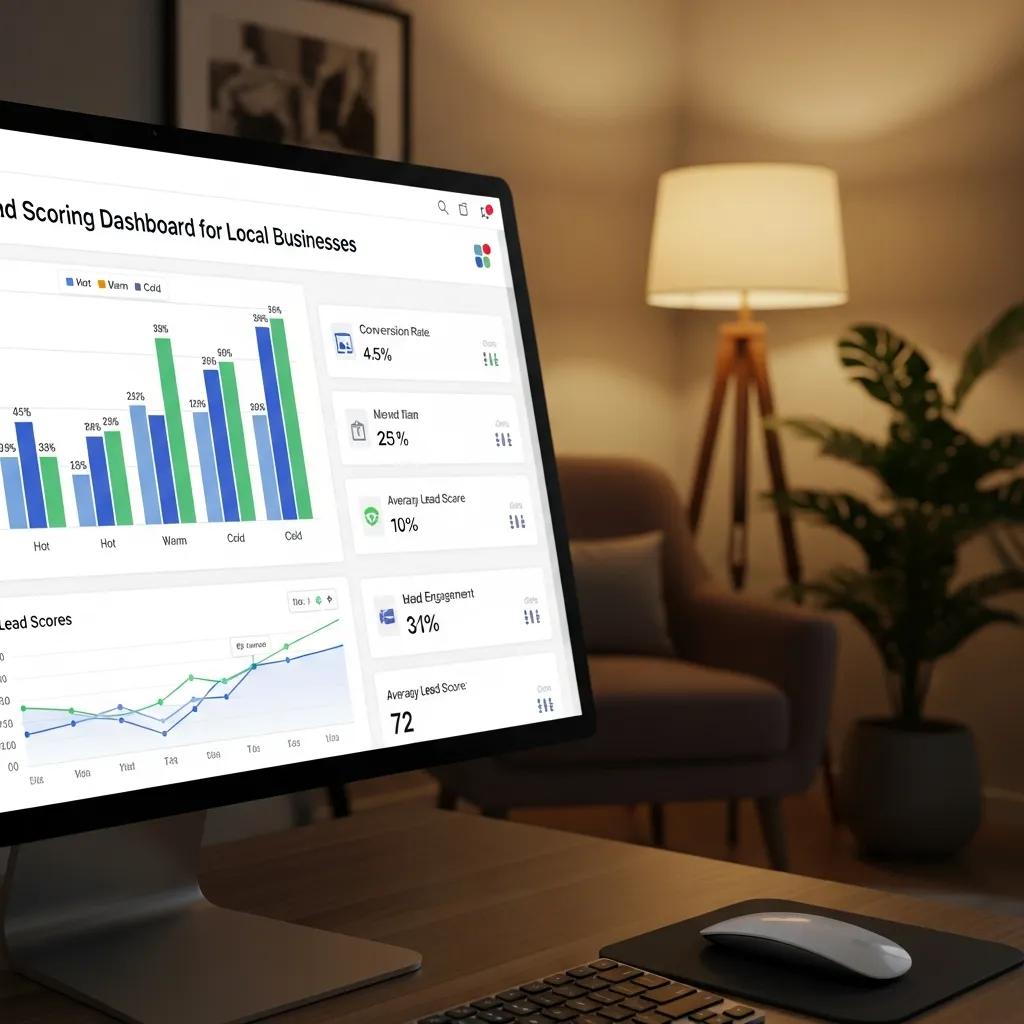
Several lead scoring automation tools integrate seamlessly with local business CRMs, providing a streamlined approach to lead management. Notable tools include:
- HubSpot: This comprehensive CRM platform offers built-in lead scoring capabilities, allowing businesses to prioritize leads based on customizable criteria.
- Salesforce: With its advanced analytics features, Salesforce enables businesses to create sophisticated lead scoring models that integrate with their existing CRM workflows.
- Pipedrive: This sales-focused CRM provides lead scoring automation that helps businesses identify high-priority leads and manage their sales pipelines effectively.
By leveraging these tools, local businesses can enhance their lead qualification processes and improve overall sales performance.
What Practical AI Lead Nurturing Strategies Drive Local Business Growth?
Practical AI lead nurturing strategies can significantly drive growth for local businesses. These strategies focus on leveraging AI technologies to create personalized experiences and automate marketing efforts. Key strategies include:
- Multi-Channel Nurturing: Engaging leads through various channels, such as email, SMS, and social media, ensures consistent communication and increases the chances of conversion.
- Personalized Content Delivery: Utilizing AI to deliver tailored content based on lead preferences enhances engagement and fosters stronger relationships.
- Automated Follow-Ups: Implementing automated follow-up sequences ensures that leads receive timely information and reminders, keeping them engaged throughout the buying process.
By adopting these strategies, local businesses can create a more effective lead nurturing process that drives growth and enhances customer relationships.
How to Use AI for Multi-Channel Nurturing via Email, SMS, and Social Media?
AI can facilitate multi-channel nurturing by automating communication across various platforms. Businesses can utilize AI tools to segment their audience and deliver targeted messages through:
- Email Campaigns: AI can analyze user behavior to send personalized emails that resonate with individual leads, increasing open and click-through rates.
- SMS Marketing: Automated SMS messages can provide timely updates and reminders, ensuring that leads remain engaged with a business’s offerings.
- Social Media Engagement: AI-driven tools can help businesses identify the best times to post and engage with their audience, maximizing visibility and interaction.
By leveraging AI for multi-channel nurturing, local businesses can enhance their marketing efforts and improve lead engagement.
How Does AI Enable Personalized Content Delivery and Automated Follow-Ups?
AI enables personalized content delivery by analyzing user data to understand preferences and behaviors. This information allows businesses to tailor their messaging and provide relevant content that resonates with leads. Automated follow-ups can be implemented through AI-driven systems that trigger messages based on specific actions, such as:
- Post-Download Emails: Sending follow-up emails to leads who download resources, providing additional information or related content.
- Event Reminders: Automatically reminding leads about upcoming events or promotions based on their interests.
- Feedback Requests: Following up with leads after interactions to gather feedback and improve future engagements.
By utilizing AI for personalized content delivery and automated follow-ups, businesses can create a more engaging experience for their leads.
How to Measure and Optimize AI Lead Nurturing Success for Local Businesses?
Measuring and optimizing AI lead nurturing success involves tracking key performance indicators (KPIs) that reflect the effectiveness of nurturing efforts. Essential KPIs include:
- Conversion Rates: Monitoring the percentage of leads that convert into customers helps assess the overall effectiveness of lead nurturing strategies.
- Engagement Metrics: Analyzing open rates, click-through rates, and response rates provides insights into how well leads are engaging with content.
- Lead Scoring Accuracy: Evaluating the accuracy of lead scoring models helps refine the criteria used to prioritize leads.
By focusing on these KPIs, businesses can identify areas for improvement and optimize their lead nurturing processes.
Which KPIs Are Essential for Evaluating AI Lead Nurturing Effectiveness?
- Lead Conversion Rate: The percentage of leads that successfully convert into paying customers, indicating the effectiveness of nurturing efforts.
- Customer Acquisition Cost (CAC): The total cost associated with acquiring a new customer, helping businesses assess the efficiency of their marketing strategies.
- Return on Investment (ROI): Measuring the revenue generated from lead nurturing efforts against the costs incurred provides insights into overall effectiveness.
By tracking these KPIs, businesses can gain valuable insights into their lead nurturing performance and make data-driven decisions for optimization.
How to Use A/B Testing and AI Feedback Loops for Continuous Improvement?
A/B testing and AI feedback loops are essential for continuous improvement in lead nurturing strategies. A/B testing involves comparing two versions of a marketing asset to determine which performs better. This process can be applied to various elements, such as email subject lines, content formats, and call-to-action buttons.
AI feedback loops enhance this process by analyzing the results of A/B tests and providing insights into user behavior. By continuously refining marketing strategies based on data-driven insights, businesses can optimize their lead nurturing efforts and improve overall performance.
| Tool | Feature | Application |
|---|---|---|
| HubSpot | Lead Scoring | Prioritize leads based on engagement |
| ManyChat | Chat Automation | Engage leads through instant messaging |
| Salesforce | Analytics | Measure lead conversion and engagement |
This table highlights the essential tools that can enhance AI lead nurturing efforts, providing local businesses with the resources needed to succeed in a competitive landscape.
By implementing these strategies and utilizing the right tools, local businesses can effectively nurture leads and drive growth in their markets.
Conclusion
AI lead nurturing empowers local businesses to engage potential customers more effectively through personalized experiences and automation. By implementing strategies such as AI chatbots and lead scoring, businesses can enhance their lead management processes and drive growth. The insights provided in this guide highlight the importance of leveraging AI tools to improve customer relationships and conversion rates. Start exploring the transformative potential of AI in your lead nurturing efforts today.